We are processing your request.
Please, don't close or refresh the page.

Halle Gate, Brussels: Tickets and Info

This website offers official tickets for this venue. Please note, however, that it is not the official website of the venue.
Smartphone tickets

Smartphone tickets

Everything you need, right in your pocket!
Why wait?

Why wait?

Skip the line and get priority access
Instant confirmation

Instant confirmation

Receive your tickets seconds after your purchase
Flexible cancellation

Flexible cancellation

Free cancellation up to 24 hours before the event available on selected experiences

Brussels Card: 49 Attractions + Discounts

Highlights

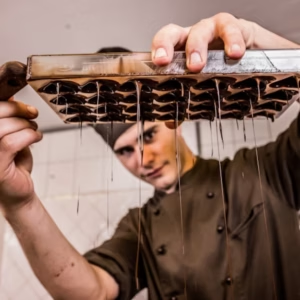
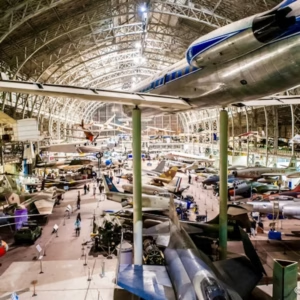
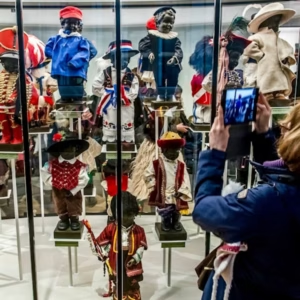
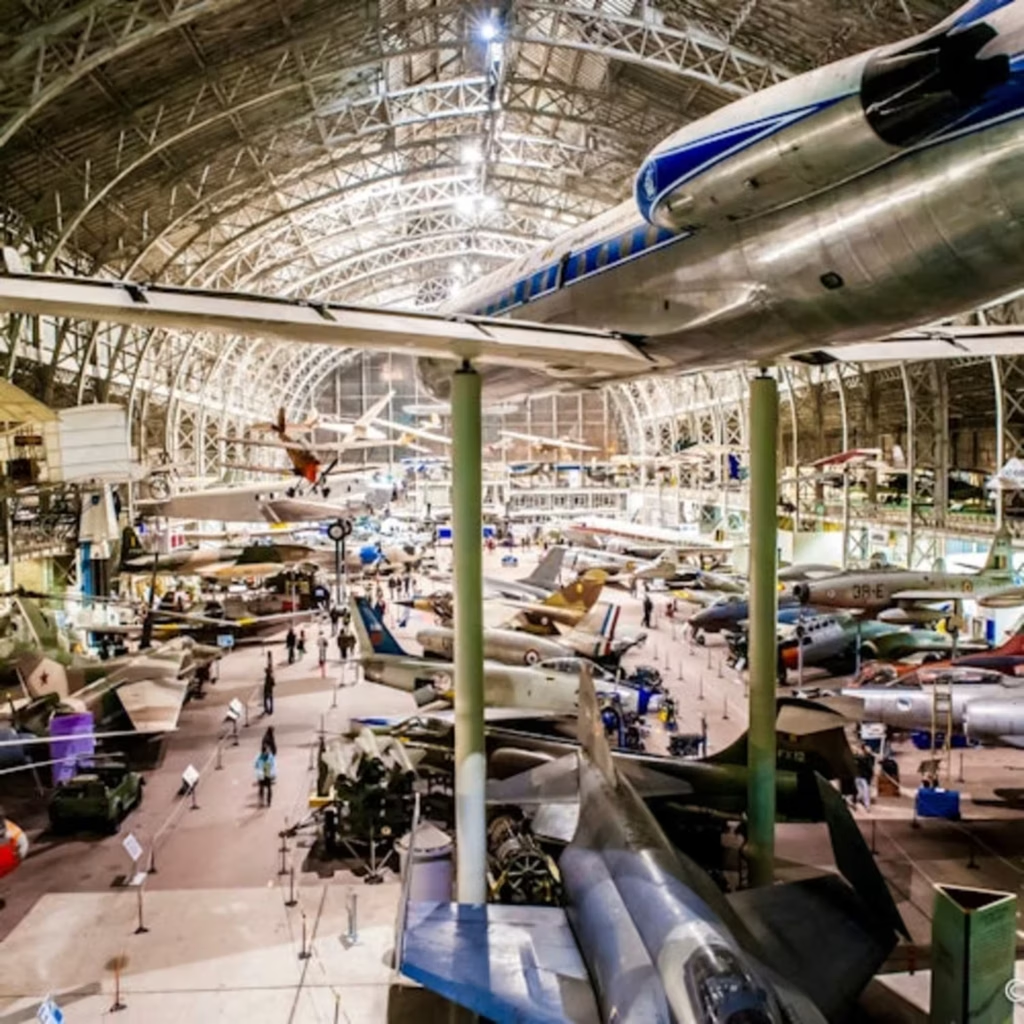
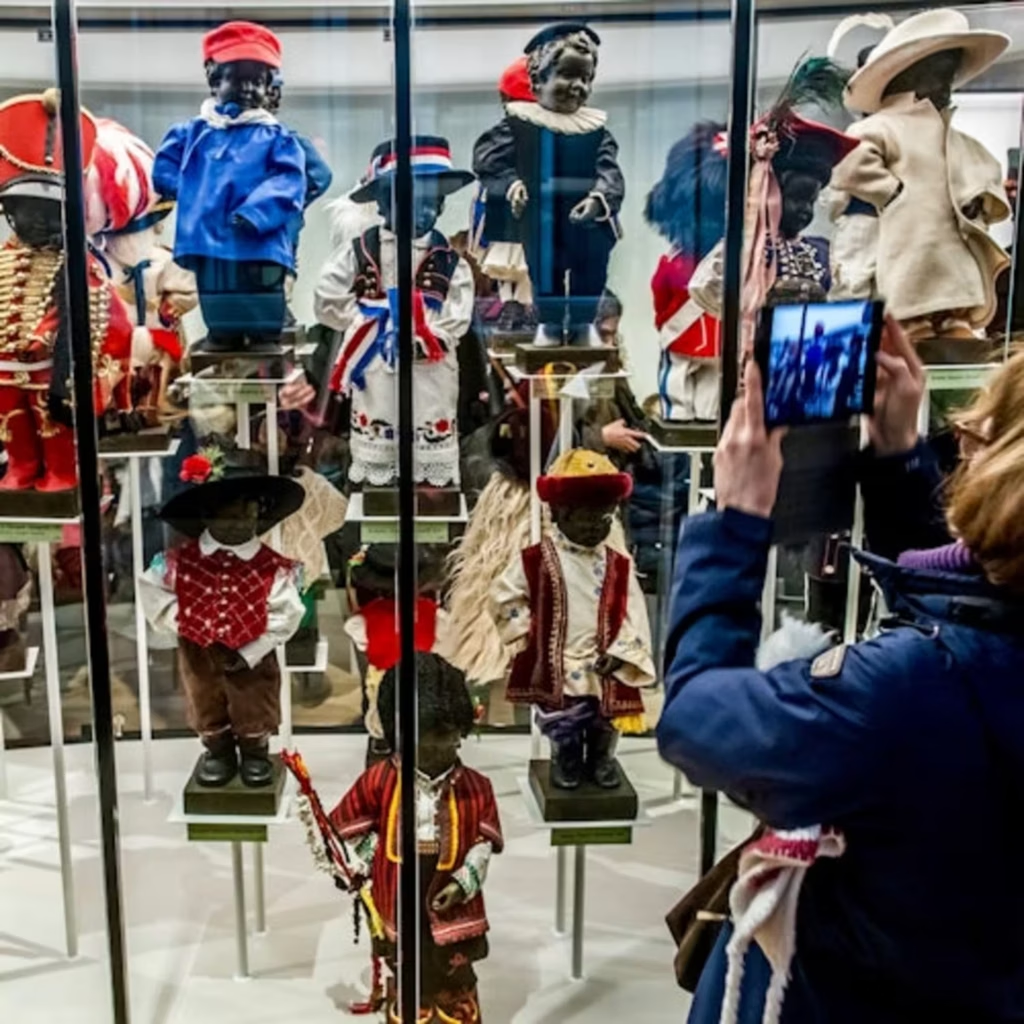
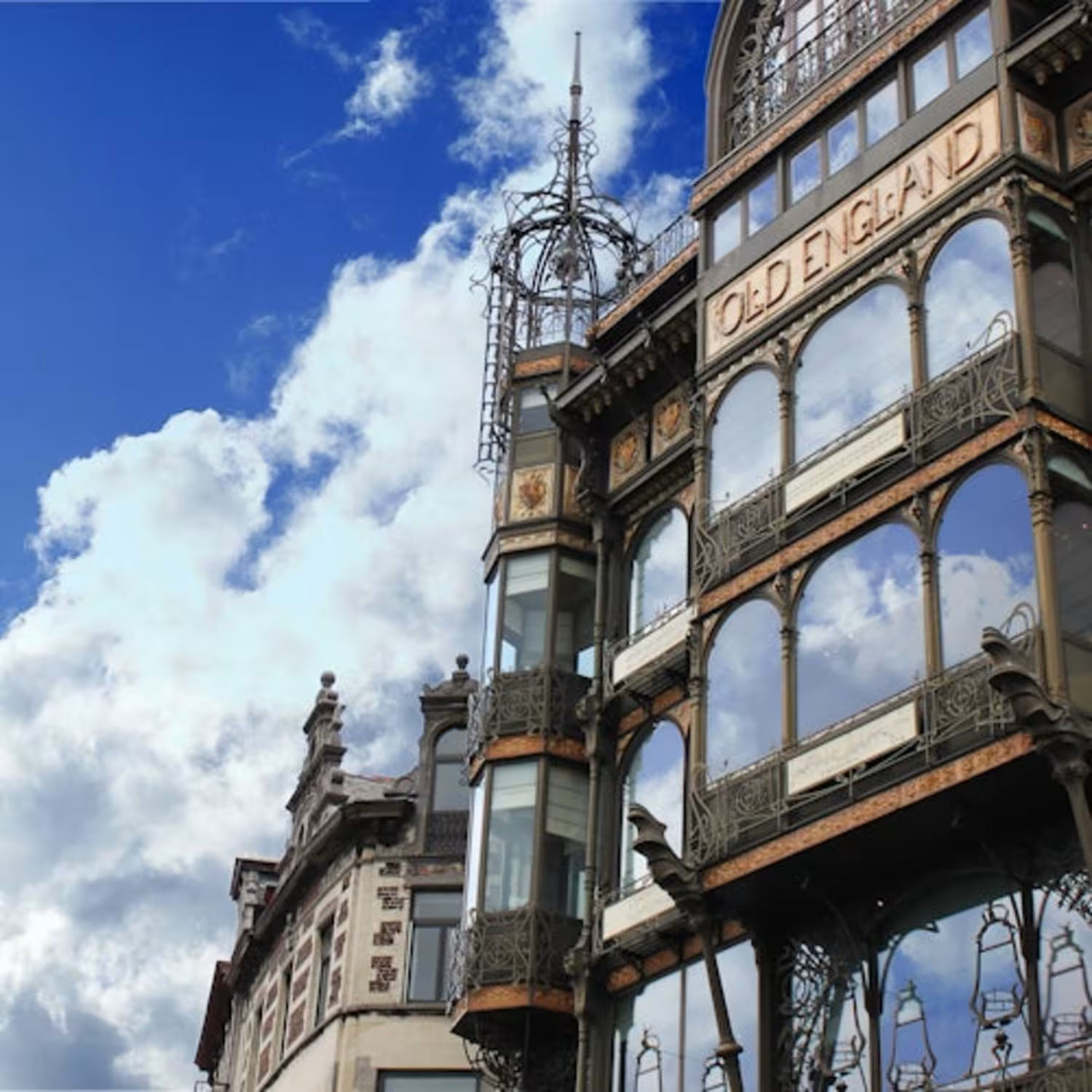
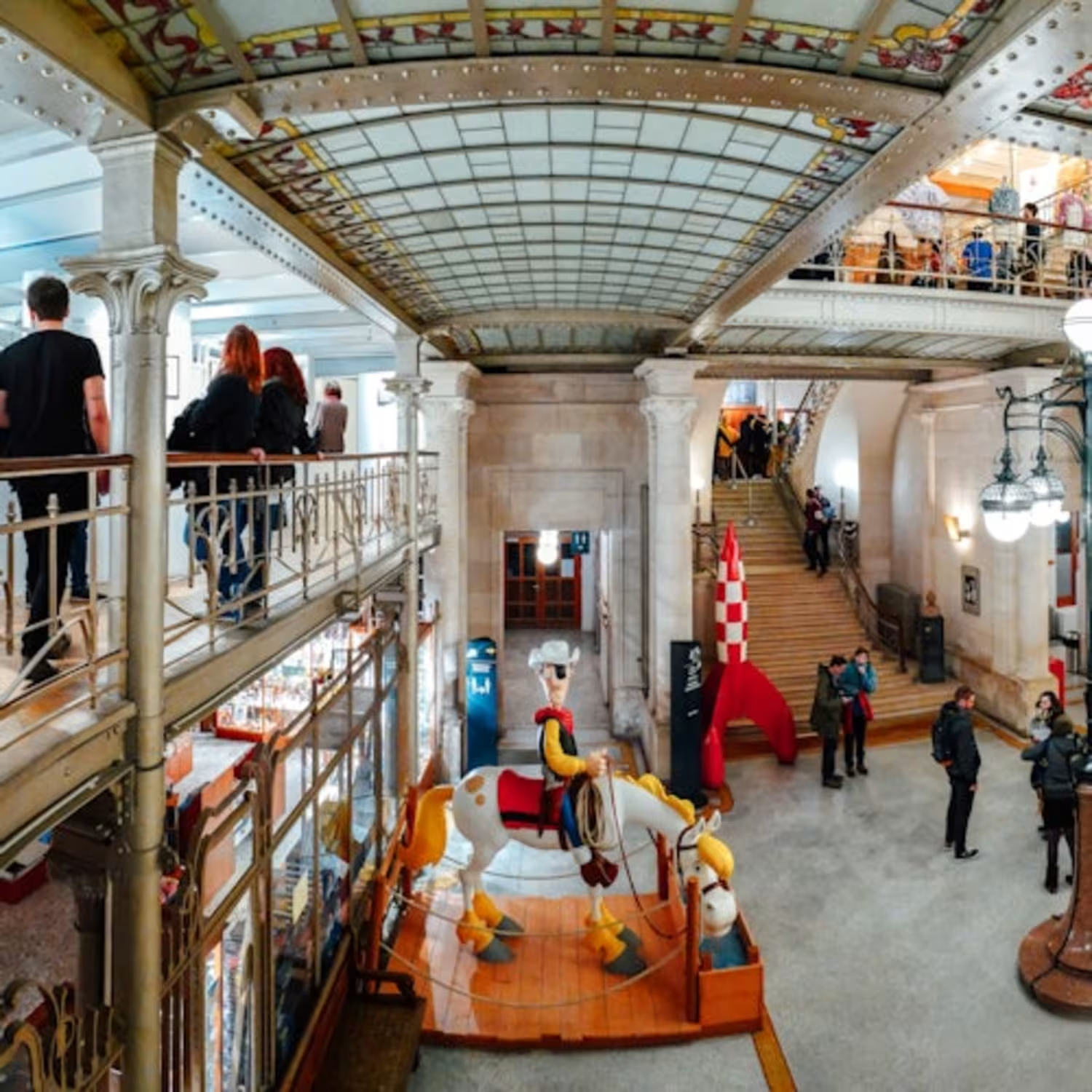
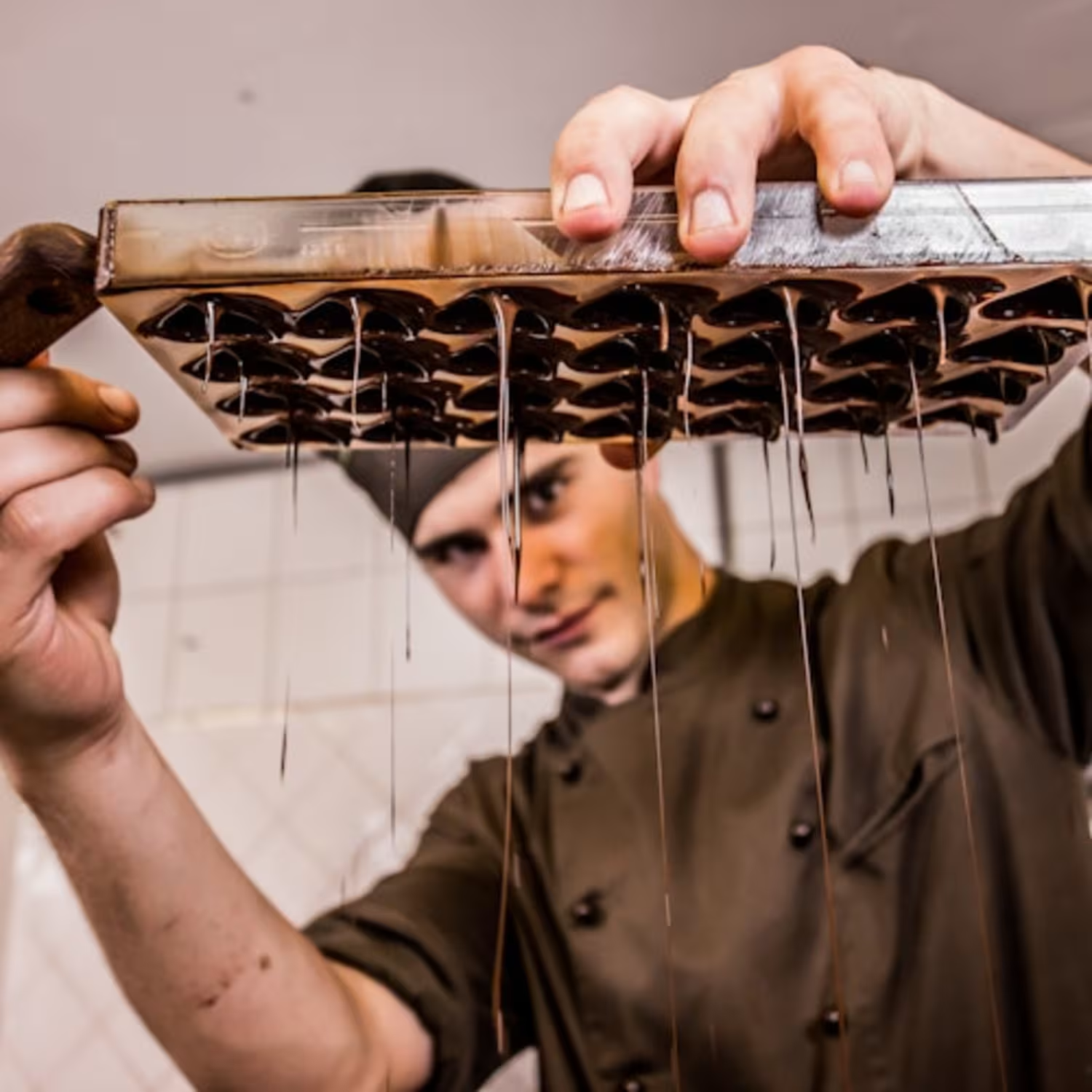
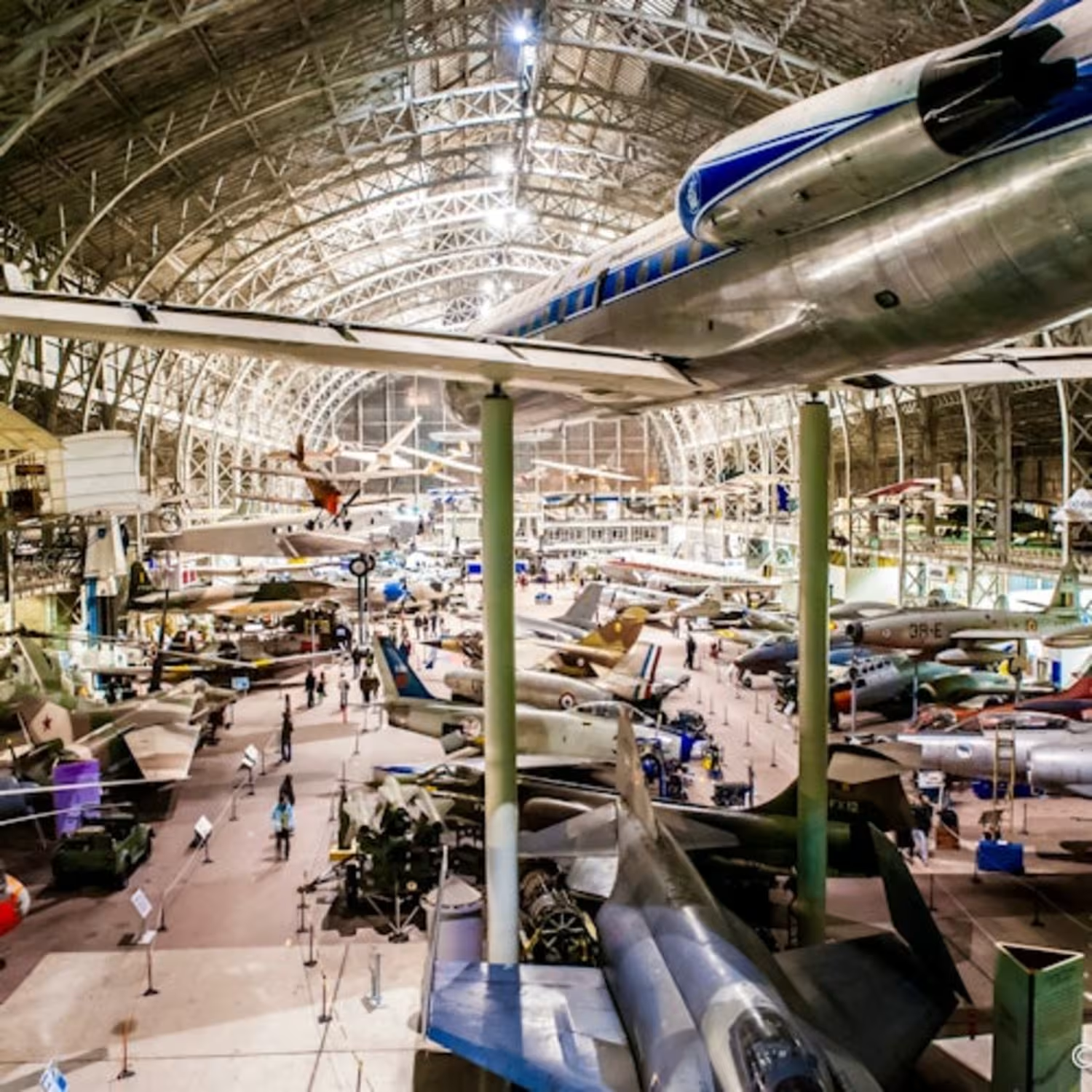
Visit top museums including Autoworld, the Belgian Chocolate Village, and the Museum of the City of Brussels.

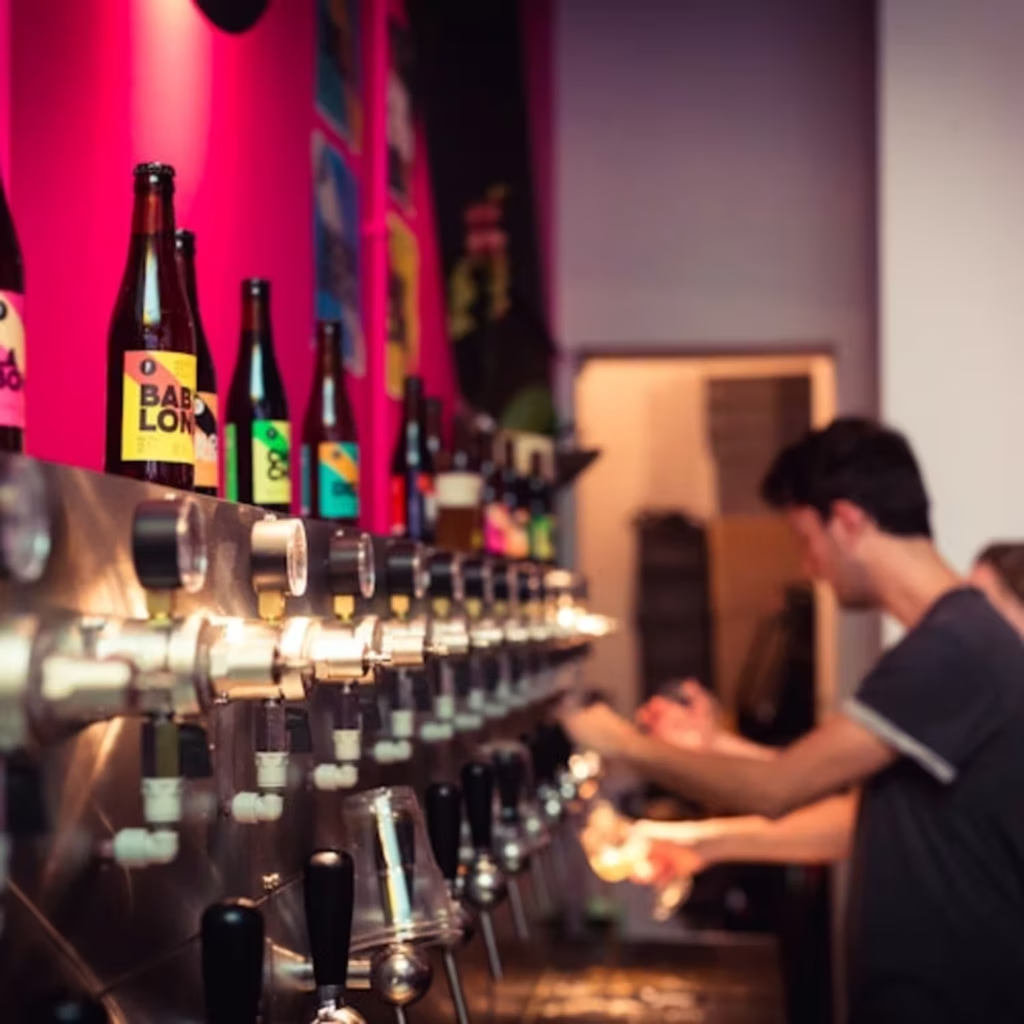
Explore niche spots like the Belgian Brewers Museum and the Sewers Museum.

Visit any included museum as many times as you like within your validity window.

Get discounts on other attractions, guided tours, shops, restaurants, and bars.

Good to Know Before Visiting Halle Gate

The museum is closed every Friday and on several major Belgian public holidays throughout the year.

Final entry to the building is strictly at 4 PM, one hour before the museum closes its doors.

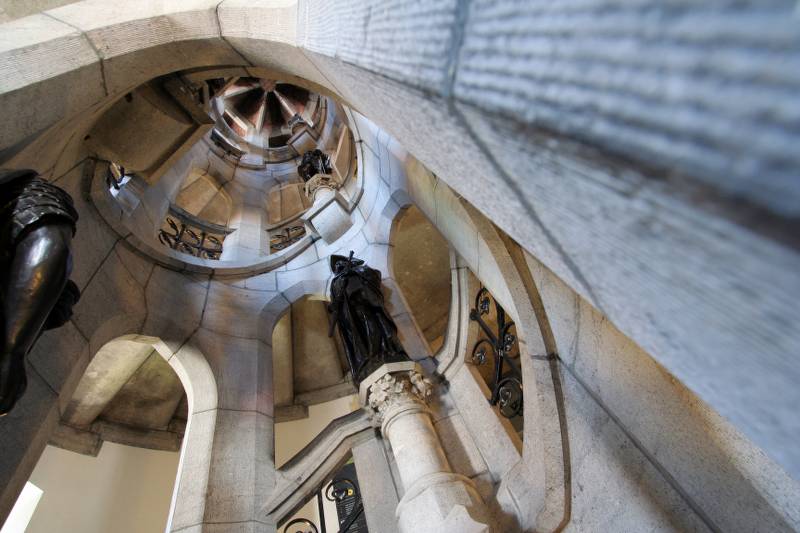
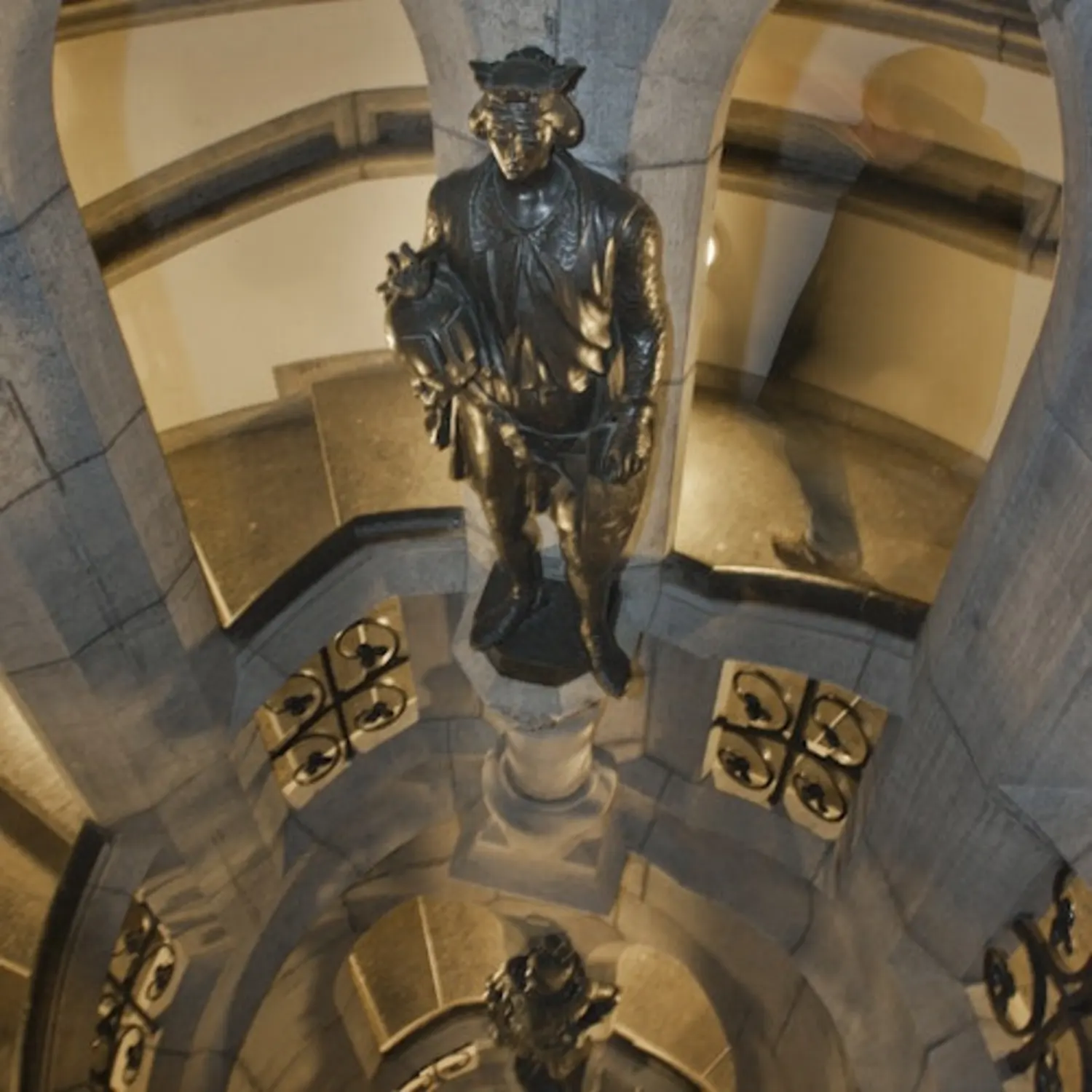
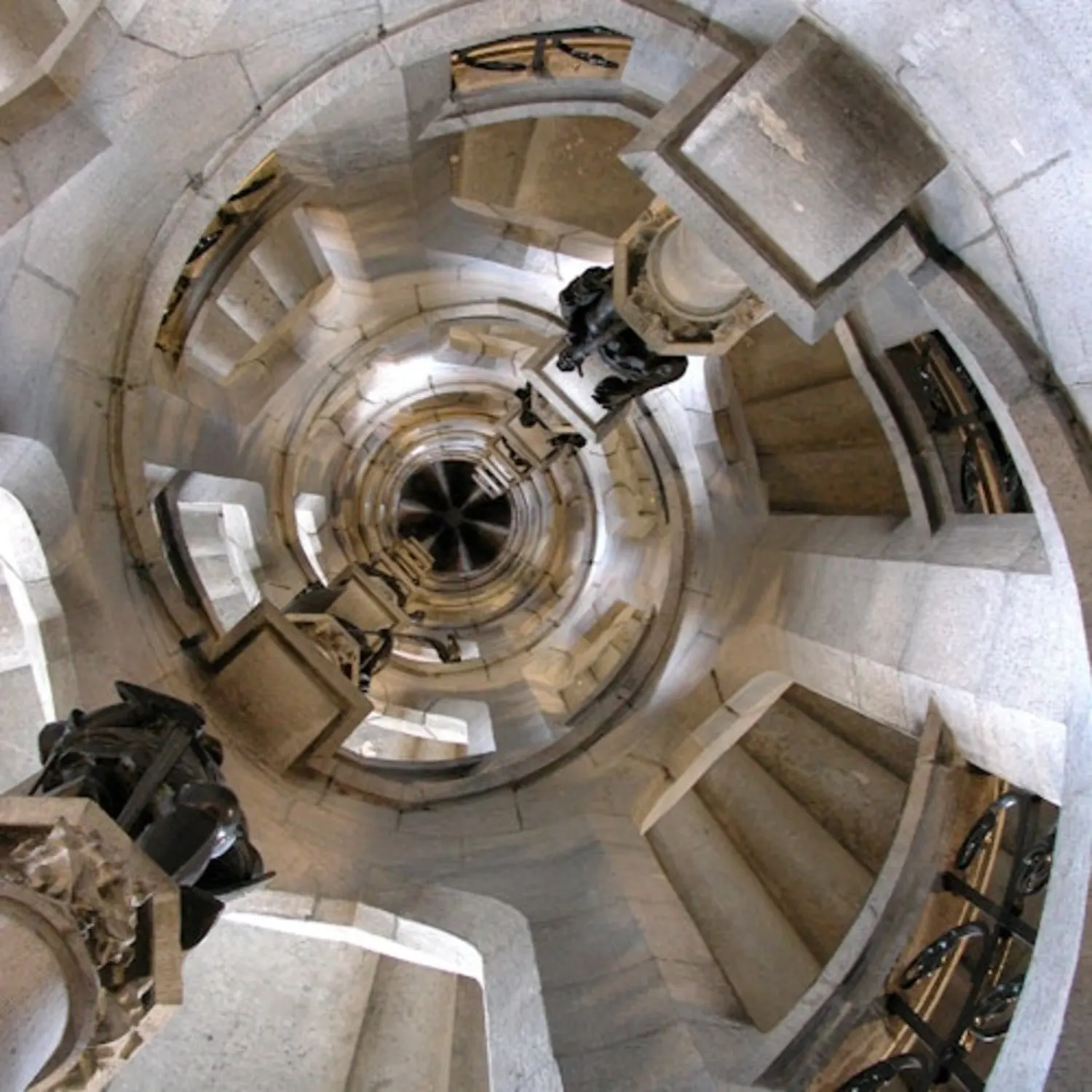
The panoramic rooftop walkway is only accessible via a narrow spiral staircase and cannot be reached by elevator.

Large bags, suitcases, and umbrellas are not permitted inside the galleries and must be stored in the provided lockers.

Photography for personal use is allowed, but the use of flash, tripods, or professional lighting equipment is prohibited.

The museum is located within the Brussels Low Emission Zone, so drivers must ensure their vehicle is registered before arrival.

Food and drinks are not allowed inside the exhibition spaces to protect the delicate historical artifacts and armor.

Visitors should wear comfortable walking shoes as the floors and staircases consist of aged stone and wood.

The augmented reality telescopes on the roof are best experienced on clear days for maximum visibility of the city skyline.

While most of the museum is accessible by lift, the historic nature of the tower means some passages remain narrow.

Essential Visitor Info

Halle Gate (Google Maps)

Monday to Thursday: 9:30 AM - 5 PM.

Saturday, Sunday, and Public Holidays: 10 AM - 5 PM.

Ticket sales end at 4 PM (last entry with a ticket at 4:15 PM).

The museum closes at 5 PM, with galleries closing at 4:45 PM.

Closed on Fridays and on 1 January, 1 May, 1 November, 11 November, and 25 December.

About Halle Gate

Halle Gate (Google Maps)

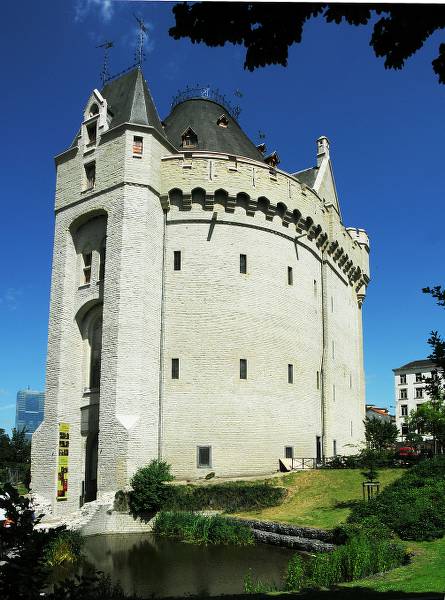
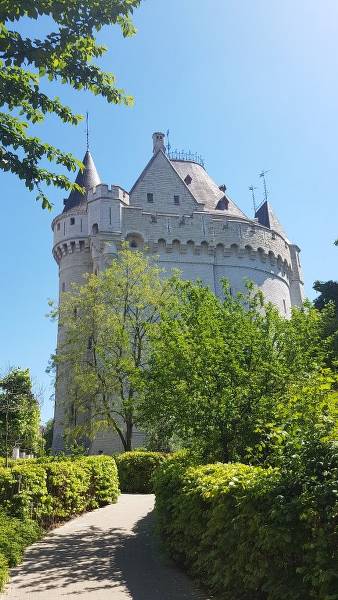
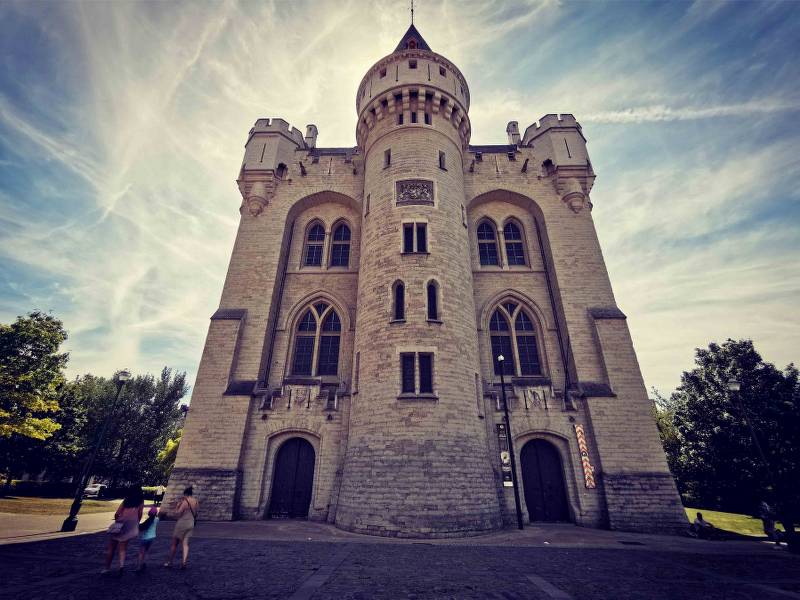
Halle Gate, also known as Porte de Hal or Hallepoort, stands as a remarkable medieval fortified city gate in Brussels, Belgium. Constructed in 1381 as part of the city’s second defensive walls, it is the only remaining section of these historic fortifications. Over the centuries, the gate has served multiple functions, including a prison, customs house, and storage for the National Archives, before becoming a museum in 1847.

Today, Halle Gate offers visitors insight into Brussels' medieval defenses and architectural heritage, featuring antique armory, sculptures, and panoramic views from its tower. Operated by the Royal Museums for Art and History, it remains a crucial link to the city’s past and a unique cultural destination for tourists.

Date of Construction: 1381 – 1383

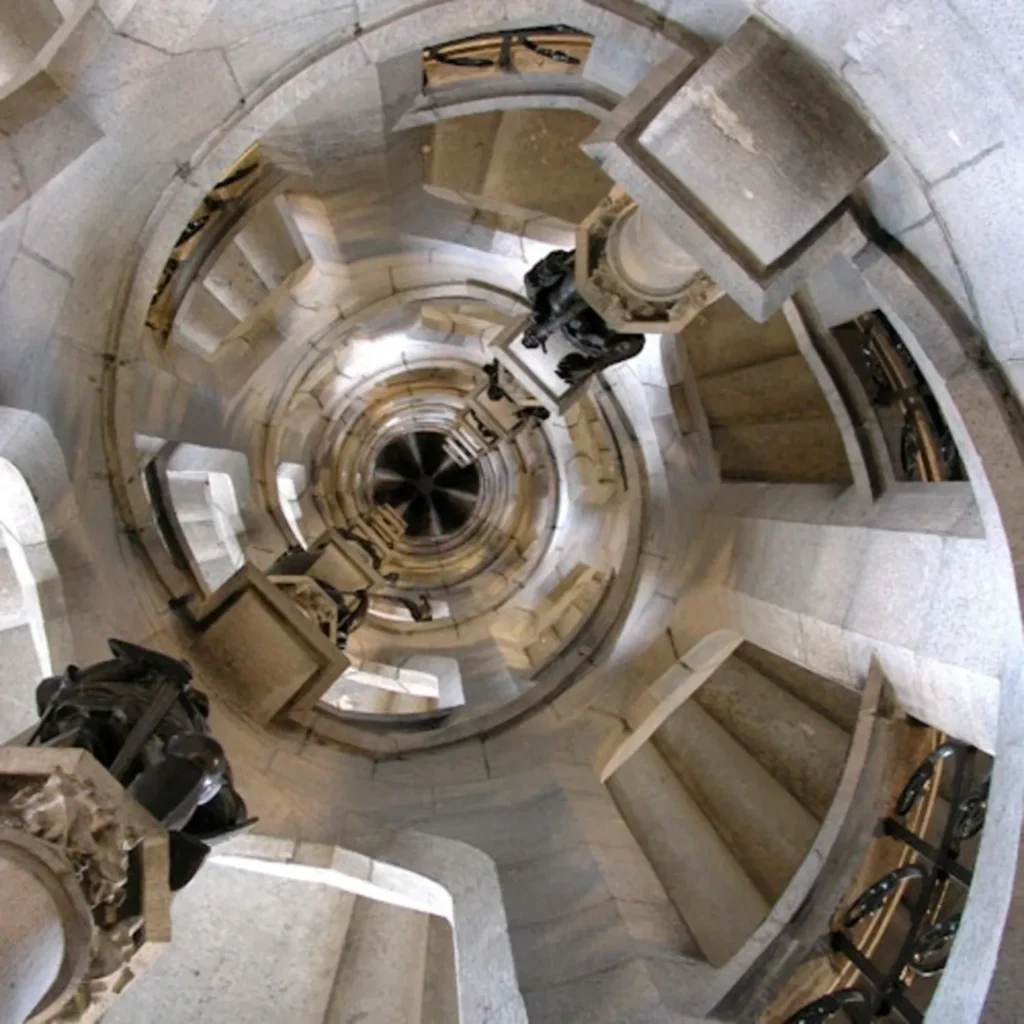
Total Number of Steps: 169 (Leading to the panoramic walkway)

Height of Tower: Approximately 40 meters

Why Visit Halle Gate?

A Medieval Survival

As the only surviving gate from the city’s 14th-century fortifications, this monument provides a tangible link to the defensive past of Brussels. While the rest of the walls were demolished in the 19th century to create the inner ring road, this structure was preserved and repurposed, making it a unique architectural anomaly in the modern cityscape.

Panoramic Views of Brussels

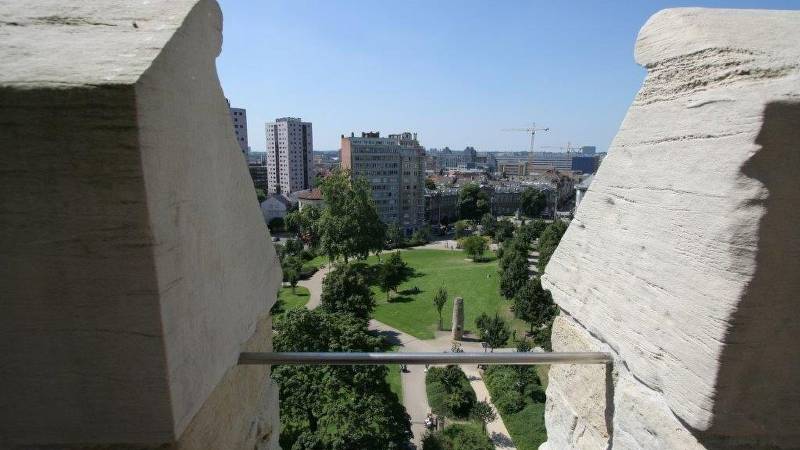
Visitors can climb the spiral staircase to the walkway at the top of the tower for an unobstructed 360-degree view of the city. High-tech telescopes on the battlements use augmented reality to overlay historical scenes, allowing you to compare the contemporary skyline with the medieval landscape of centuries past.

The Royal Armoury Collections

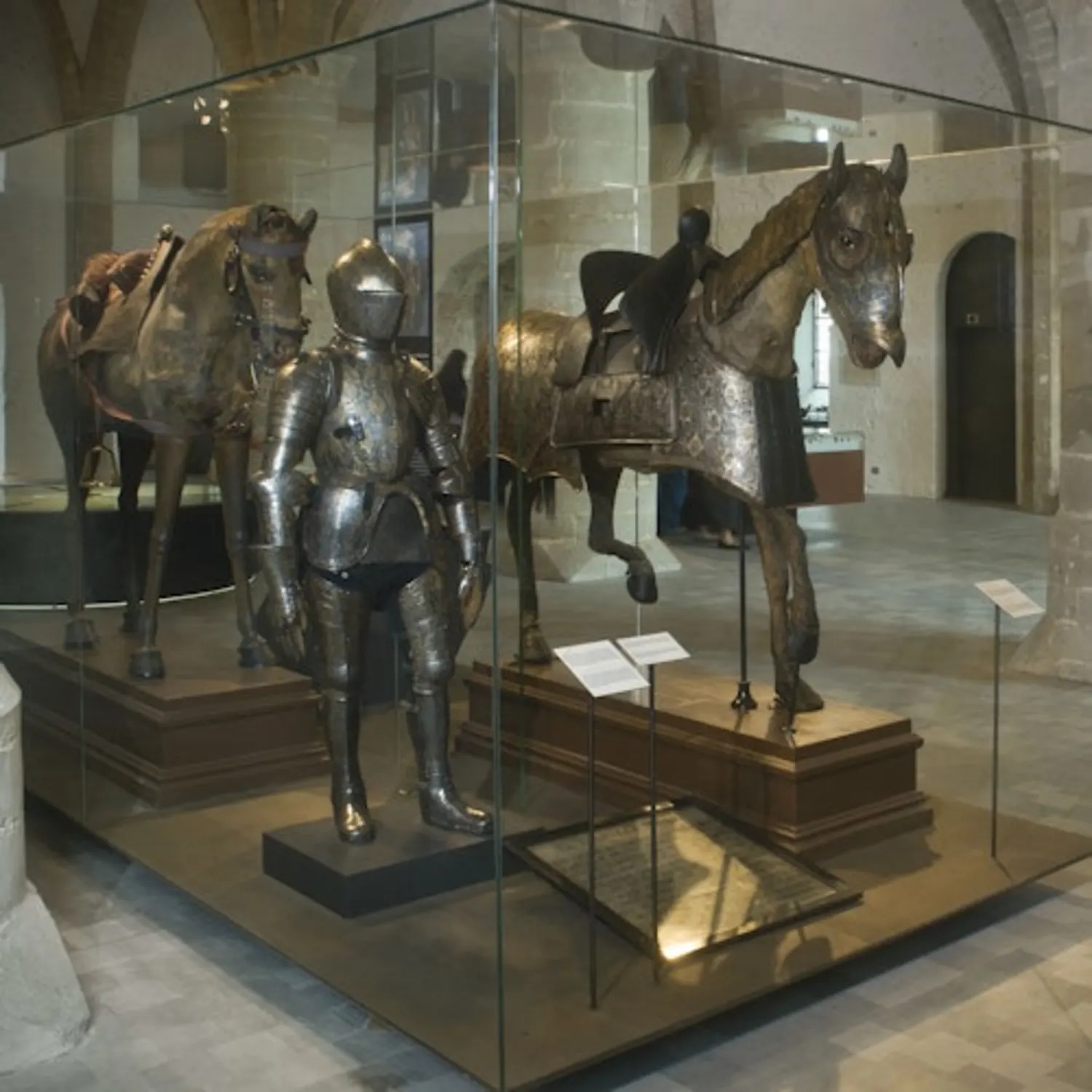
The museum houses a significant portion of the Royal Museums of Art and History’s collection, specifically focusing on the city’s military history. The displays include impressive examples of 15th and 16th-century armor, weaponry, and historical artifacts that illustrate the life and defense of the medieval Burgundian Netherlands.

Architectural Evolution

The building itself is a masterclass in restoration and adaptation, featuring neo-Gothic elements added by architect Henri Beyaert in the 19th century. From the massive original limestone blocks to the ornate roof and detailed interior woodwork, the structure highlights the transition from a functional military fort to a romanticized historical monument.

Immersive History for Families

The museum is designed to be accessible to all ages, utilizing interactive displays and themed rooms to explain the daily life of the city's guilds and defenders. Its manageable size and engaging layout make it an ideal cultural stop for those who want to experience history without the overwhelming scale of larger national museums.

Additional Info

Halle Gate does not house an internal café or restaurant.

To maintain the integrity of the historical site and protect the collections, food and drinks are strictly prohibited inside the museum galleries.

Visitors are encouraged to explore the surrounding Saint-Gilles neighborhood, which is renowned for its diverse culinary scene and traditional Belgian brasseries.

Directly outside the museum, the Parvis de Saint-Gilles area offers a wide array of dining options, from quick coffee shops to full-service restaurants.

During the warmer months, the park surrounding the tower is a popular spot for picnicking.

For those seeking a traditional experience, several local bakeries and friteries are located within a five-minute walk of the Porte de Hal metro station.

Interesting Facts about Halle Gate (Porte de Hal)

The structure dates back to 1381 and served as one of the seven primary gates in the second defensive wall of Brussels.

It is the only significant architectural remains of the medieval fortifications that were otherwise demolished to make way for the city's inner ring road.

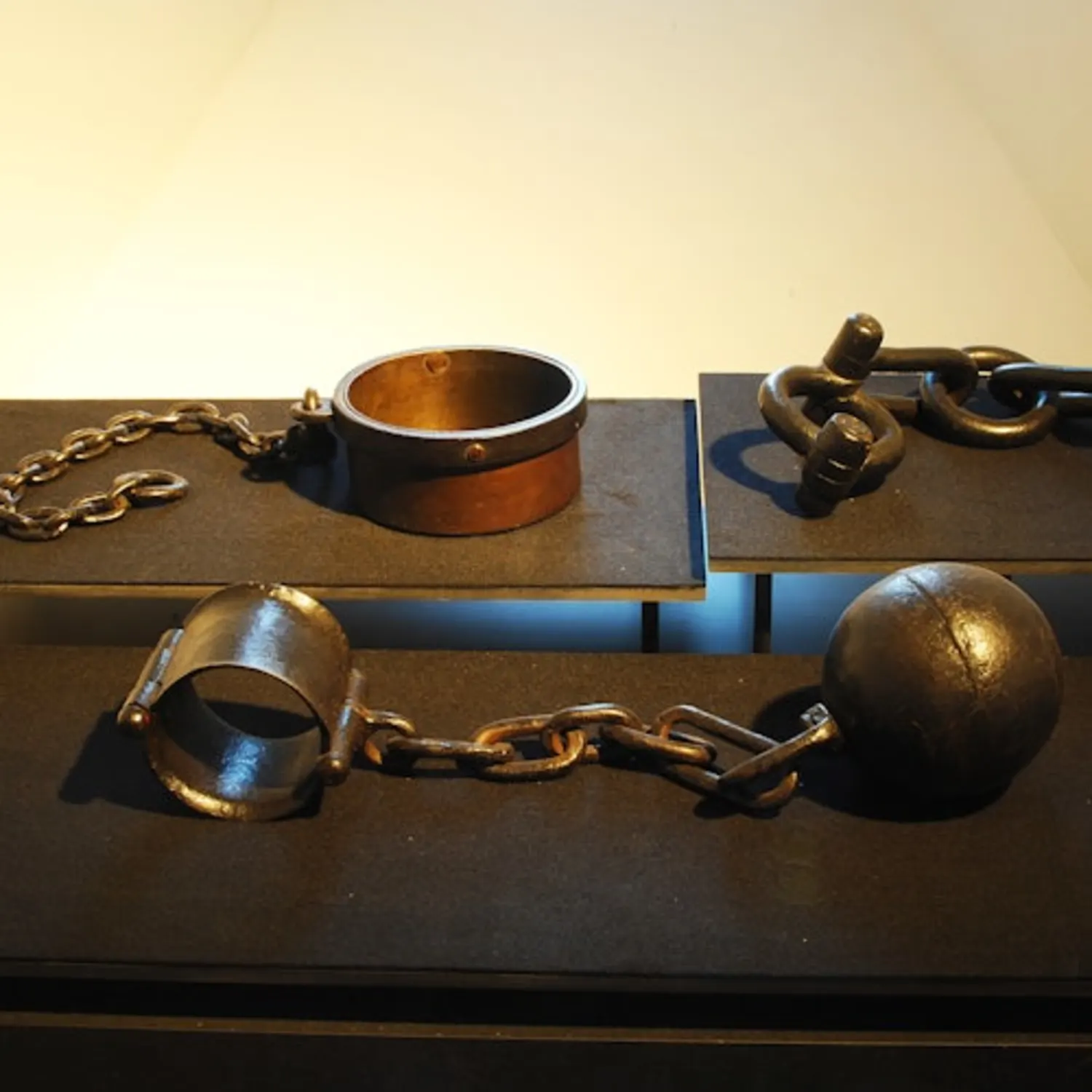
The gate functioned as a military prison for several centuries after the city walls lost their primary defensive purpose.

In the mid-19th century, the building was transformed into a museum of weapons, antiquities, and ethnography by the Belgian state.

The architect Henri Beyaert added the distinctive high neo-Gothic roof and circular tower in the 1860s to give the gate a more romantic appearance.

The massive stone walls at the base of the tower are over two meters thick to withstand medieval siege engines and weaponry.

The museum houses the original parade armor of Archduke Albert of Austria, who was the sovereign of the Habsburg Netherlands.

An authentic 17th-century wooden horse used for displaying heavy cavalry armor is one of the most prominent items in the collection.

The rooftop walkway was originally used by city watchmen to scan the horizon for approaching fires or enemy armies.

Halle Gate is part of the Royal Museums of Art and History, the same institution that manages the Cinquantenaire Museum.

The building’s original name, Porte de Hal, refers to the fact that it marked the start of the road leading toward the town of Halle.

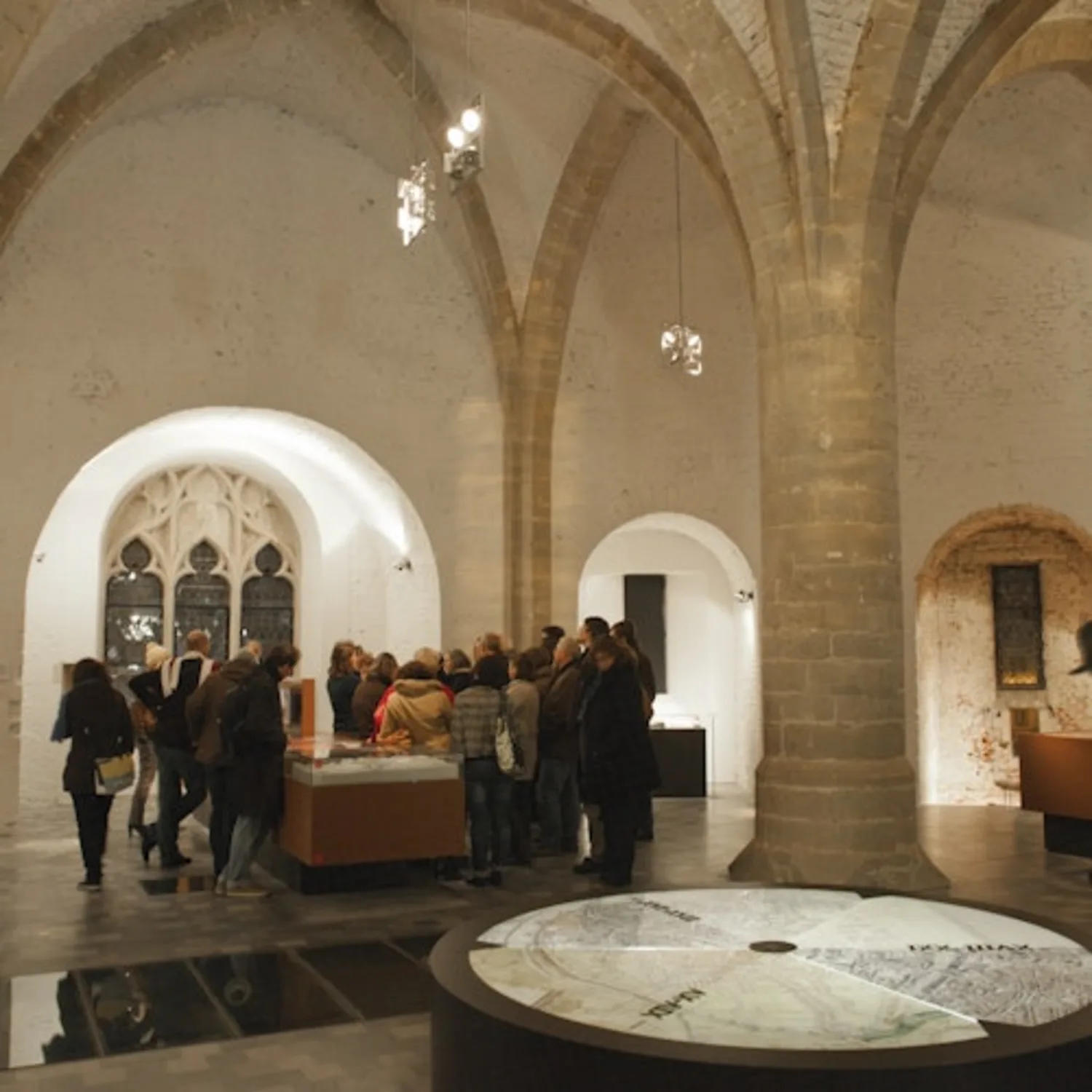
Inside the museum, a large-scale model shows what the city of Brussels looked like when it was still fully enclosed by its 14th-century walls.

The digital telescopes on the battlements allow visitors to virtually peel back time and see the 16th-century skyline in 360 degrees.

Unlike most medieval gates, this one was spared from demolition because it was being used as a grain store and prison at the time of the wall's removal.

The interior spiral staircase contains 169 steps leading from the ground floor to the panoramic walkway at the top.

FAQs about Halle Gate

What is the historical significance of Halle Gate?

It is the only surviving gate from the 14th-century fortifications that once protected the city of Brussels.

When was the monument originally constructed?

The defensive tower was built between 1381 and 1383 as part of the city's second defensive wall.

How did the building survive when the rest of the city walls were demolished?

It was spared from destruction because it was serving as a prison and grain storage at the time the walls were removed.

What architectural styles are visible in the structure?

The gate features a mix of its original medieval fortified core and 19th-century neo-Gothic additions by architect Henri Beyaert.

What kind of collections can visitors see inside the museum?

The museum focuses on military history, featuring the Royal Armoury collections, historical sculptures, and artifacts from the Burgundian Netherlands.

What happened to the building in the 19th century?

During the 1860s, it underwent a major romanticized restoration and was officially converted into a museum of antiquities.

What makes the rooftop telescopes unique?

These high-tech telescopes use augmented reality to show visitors how the Brussels skyline appeared in the 16th century.

Is the museum open every day of the week?

The museum is open Saturday through Thursday but is strictly closed to the public every Friday.

What time is the latest I can enter the museum?

The final entry for ticket holders is at 4:15 PM, though the ticket desk itself closes at 4 PM.

Can wheelchair users access all parts of the building?

An elevator provides access to most exhibition floors, but the rooftop walkway is only accessible via a narrow spiral staircase.

Are there facilities to store bags and personal belongings?

Self-service lockers are available on-site for small bags, as large suitcases and umbrellas are not permitted in the galleries.

How do I reach Halle Gate using public transportation?

The museum is located directly at the Porte de Hal station, which serves metro lines 2 and 6 as well as several tram and bus lines.

Is there a place to eat inside the monument?

There are no dining facilities inside the tower, but the surrounding Saint-Gilles neighborhood offers many cafes and restaurants.

Do I need to register my car before driving to the venue?

Since the site is within the Brussels Low Emission Zone, drivers with foreign license plates must register their vehicle online before arrival.

This website sells official tickets for this venue. Please note, however, that it is not the official website of the venue.
The images and videos on this website may contain visual elements that have been created or enhanced using AI technology. They are provided for illustrative purposes only.